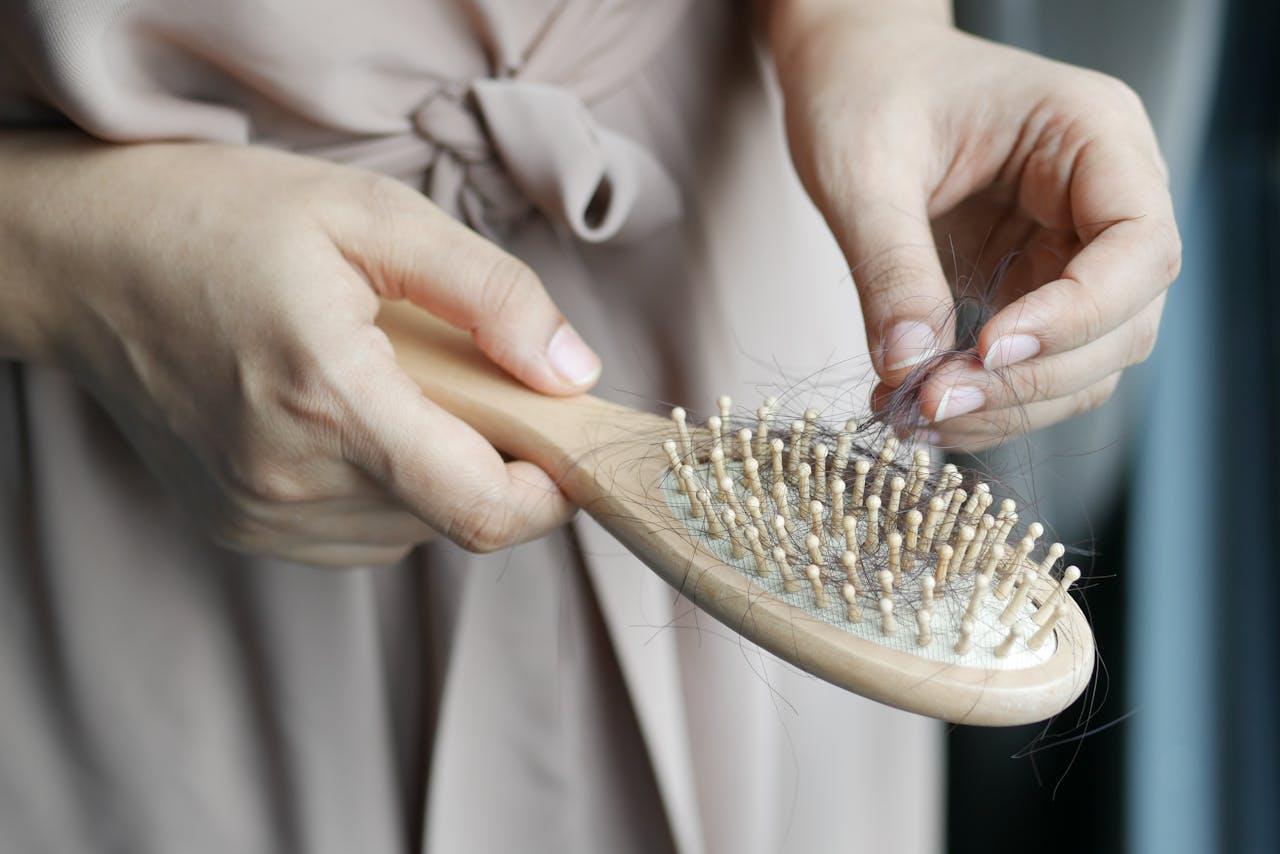
Finding more and more strands lingering in your hairbrush or circling the drain after a shower can feel scary—especially when it feels like you are taking good care of your hair.
Hair loss can seemingly sneak up out of nowhere, but often, our hair follicles steadily become less active over time rather than all at once.
Whether thinning hair runs in your family or a hormonal imbalance is to blame, Medical Grade Aesthetics can tackle hair loss at the root to help restore growth naturally.
Continue reading to learn more about our approach to hair restoration near Janesville, or book a consultation to start preparing your mane for summer fun.
Causes of Hair Loss
Most women lose up to 125 hairs per day. Often, these strands slip away unnoticed. However, once we exceed this daily shedding threshold, we might notice bald spots, a widening part, a receding hairline, or thinning hair. Typically, we can attribute increasing hair shedding and stunted regrowth to genetics, hormones, or lifestyle changes.
Inherited Hairlines
For many people, pattern baldness runs in the family. If your parents or grandparents have gone bald or experienced thinning hair, that means you are more likely to experience the same. Up to 50% of people experience genetic hair loss throughout their lives.
This condition, known as androgenic alopecia, typically settles in over time, manifesting in predictable patterns like a receding hairline, bald spots, or thinning hair at the crown of the head.
As the affected individuals age, the scalp overreacts to the presence of androgens, or sex hormones like testosterone, prompting shortened hair growth cycles at the follicle. With a briefer growth phase and smaller follicles, the remaining hair grows back thinner and shorter, often failing to break through the skin at all.
Shifting Hormones
Some individuals experience thinning hair or patchy growth because of hormonal fluctuations. Many new mothers notice elevated hair shedding and slower growth after pregnancy, especially since the scalp prolongs hair growth and rest during pregnancy to prevent loss.
As sex hormone production declines after delivery, the remaining hairs might shed in large quantities. This condition, known as telogen effluvium, is typically temporary, simply triggering the release of hair follicles after delayed loss.
Those going through perimenopause and menopause might also face a widening part or a retreating hairline. When the production of sex hormones like estrogen and progesterone naturally declines with age, the scalp can become more sensitive to androgens like testosterone, in turn shrinking the follicles and abbreviating the hair’s growth phase.
Menopause, like aging, can also influence your metabolic rate and blood circulation, reducing the energy available to support growth and limiting the flow of restorative nutrients and oxygen to the scalp.
Lifestyle Habits
Changes in your everyday activities can also affect your hair’s growth cycles.
When experiencing chronic stress, the body produces a corresponding stress hormone: cortisol. With elevated cortisol levels, your scalp holds onto existing hairs, remaining in an extended resting state rather than the usual hair shaft elongation. This hampers future regeneration at the follicular level.
Your nutrition can also inhibit hair growth. Without fueling your body with the proper nutrients, your scalp cannot support healthy follicle development, density, or hair length. Some patients experience thinning hair if they have a vitamin deficiency or have undergone significant weight loss. Certain medications can also contribute to hair loss.
The way you style your hair each day creates tension between the follicle and the scalp. Tight ponytails, braids, or extensions can pull on the roots of your hair, leading to increased shedding.
Medical Grade Aesthetics’ All-Natural Approach
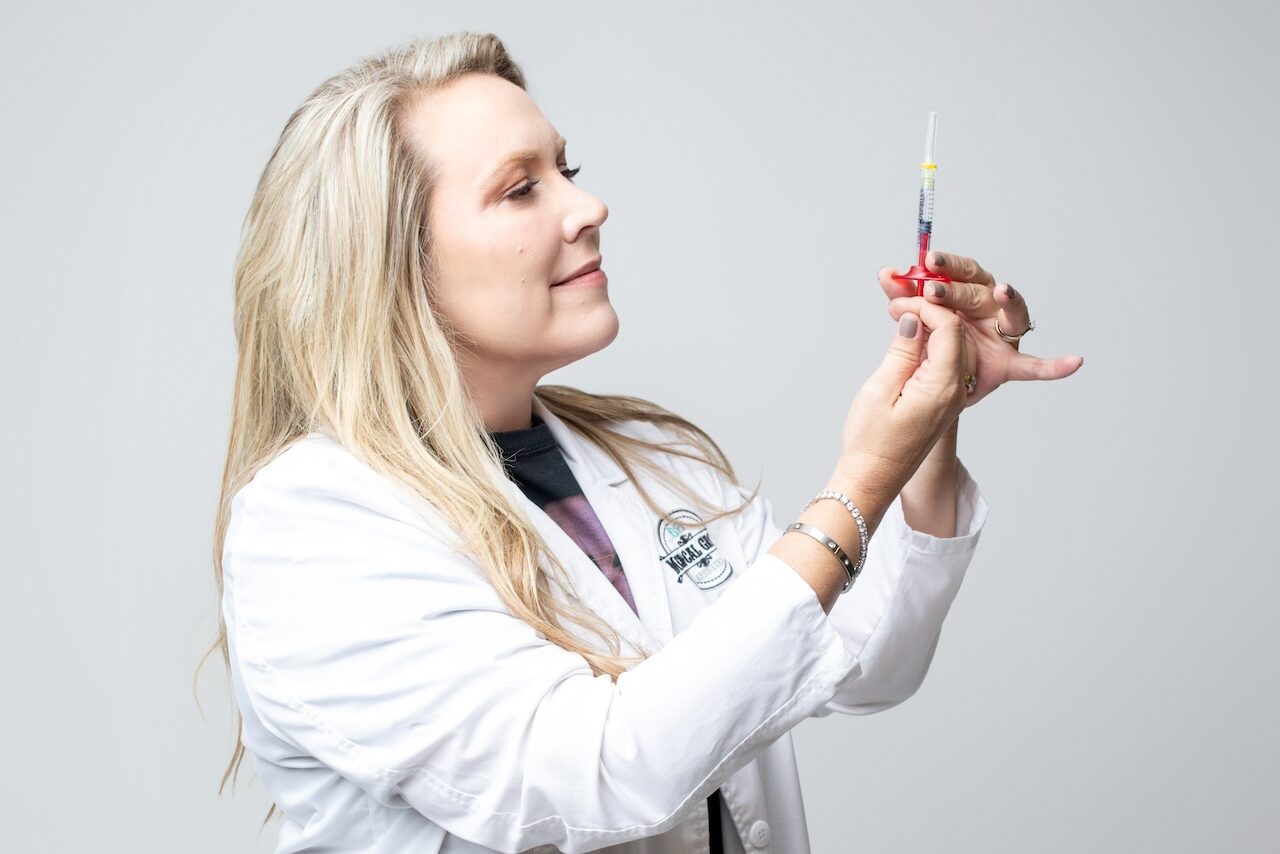
At Medical Grade Aesthetics, we cannot turn back the hands of time. But we can support your body where it is at with natural therapies that harness the power of your own blood.
When you come in seeking guidance on your haircare journey, you first sit down with one of our licensed medical professionals to talk through your concerns. During this consultation, you have the space to discuss your treatment goals, lifestyle, and health history. This helps your provider confirm you would benefit from PRP hair restoration near Janesville.
Not everyone is an ideal candidate for regenerative PRP scalp therapy. Typically, we do not advise this treatment for patients experiencing:
- Active scalp inflammation or infection
- Certain autoimmune conditions
- Advanced hair loss or complete balding, leaving behind no visible follicles
- Pregnancy
The success of a platelet-rich plasma infusion into the scalp depends on the quality of your blood, as well as the permeability of the tissue. As such, your licensed provider will recommend some pre-care instructions to prepare for your appointment for hair restoration near Janesville.
Pre-Care Steps
Your exact pre-care steps may vary based on your personal treatment plan. Often, our providers recommend patients prepare for PRP hair restoration near Janesville by:
- Hydrating well and eating a balanced diet in the weeks leading up to treatment
- Washing hair with a gentle shampoo prior to the procedure
- Avoiding hot tools like blow dryers or curling irons when styling hair
- Stopping use of anti-inflammatory and blood-thinning medications
- Limiting alcohol consumption and tobacco usage
- Arriving at the appointment with clean, dry hair free of leave-in products or oils
Your nutrition and limited indulgence in alcohol and tobacco products help preserve the health of your blood. Leaving the hair free of product on the day of treatment helps us administer PRP injections to your scalp most effectively.
Administering Injections
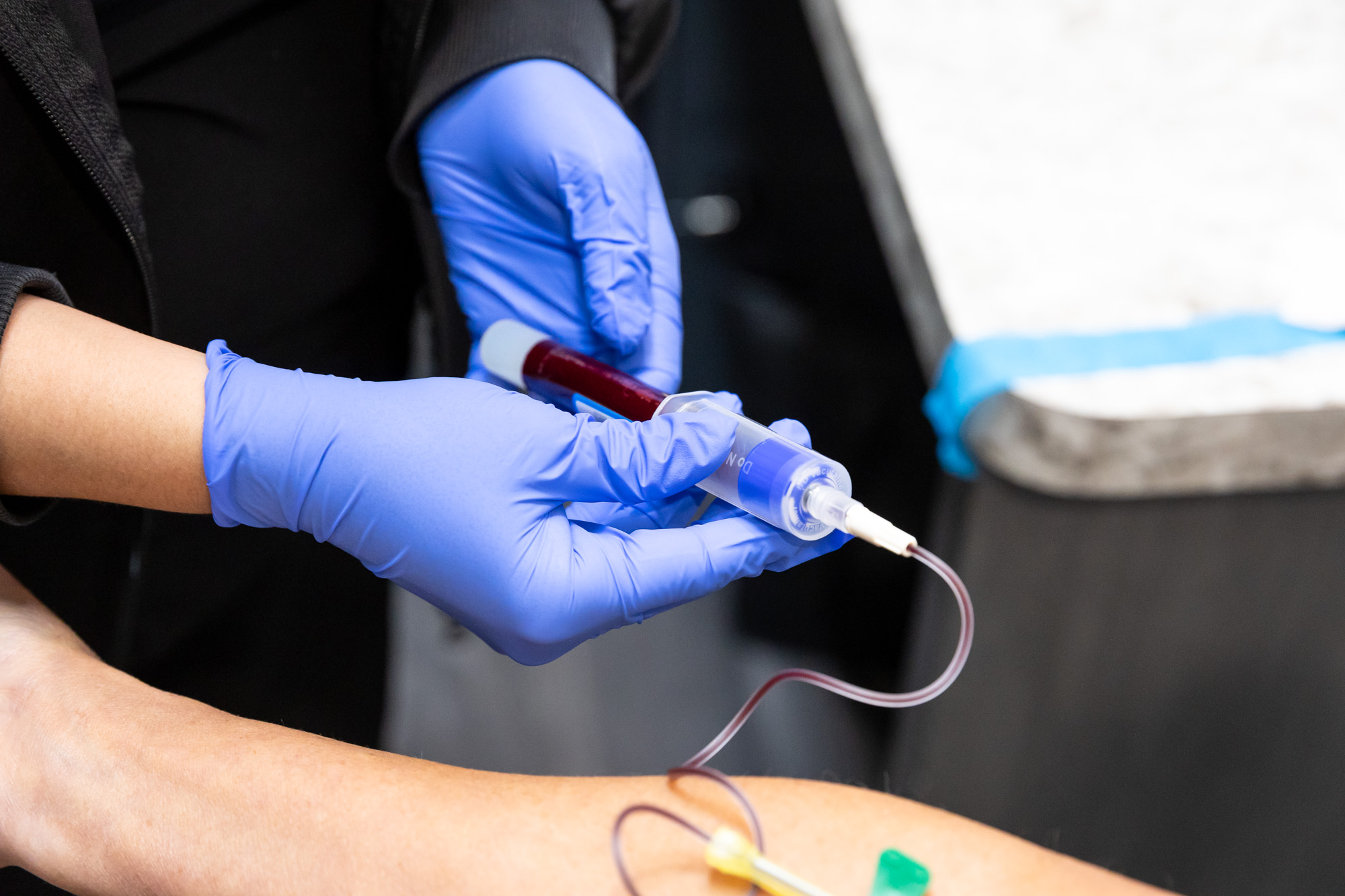
To begin your appointment, your licensed medical provider draws a small vial of blood from your arm. Then, they place the sample into a centrifuge to spin it, concentrating the platelet-rich plasma within your blood.
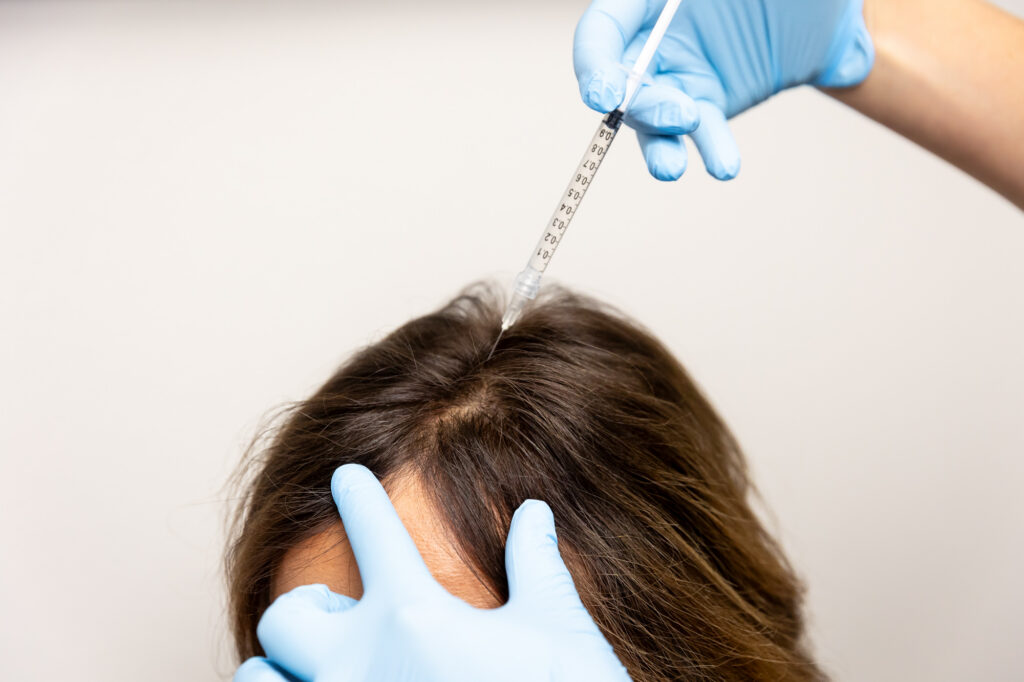
Your provider prepares a syringe with the PRP, administering the serum in a series of injections throughout the scalp, targeting areas where the hair is sparse. The injection process typically takes between 30 minutes and 1 hour.
Though you may feel minor scalp tenderness or sensitivity after the PRP infusions, you can resume light activity the same day of treatment. However, you should avoid intense exercise that could cause sweat and oil to build up on the head.
How PRP Works
So how exactly does PRP restore hair growth?
Your platelet-rich plasma releases essential growth factors upon injection. These growth factors are messenger molecules that signal cell growth, aiding in tissue healing and regeneration.
When we infuse them into the scalp, the growth factors:
- Trigger new blood vessel development
- Improve blood circulation throughout the scalp
- Encourage your scalp to shed dead hair cells, making room for new growth
- Revive dormant (resting) hair follicles
- Extend the growth phase of a hair’s cycle
The PRP targets hair loss at the root, stimulating hair cell reproduction and regeneration. Prolonged hair growth also promotes thicker, longer hair shafts. With activated roots and enhanced follicular density, you can feel your hair growing longer and fuller over time.
After-Care Steps
After infusing your scalp with PRP, your provider recommends post-care steps you can take to support the treatment’s efficacy and your hair’s ongoing health. Typically, these guidelines include:
- Keep the hair free from oils, serums, or products like Minoxidil in the week following treatment.
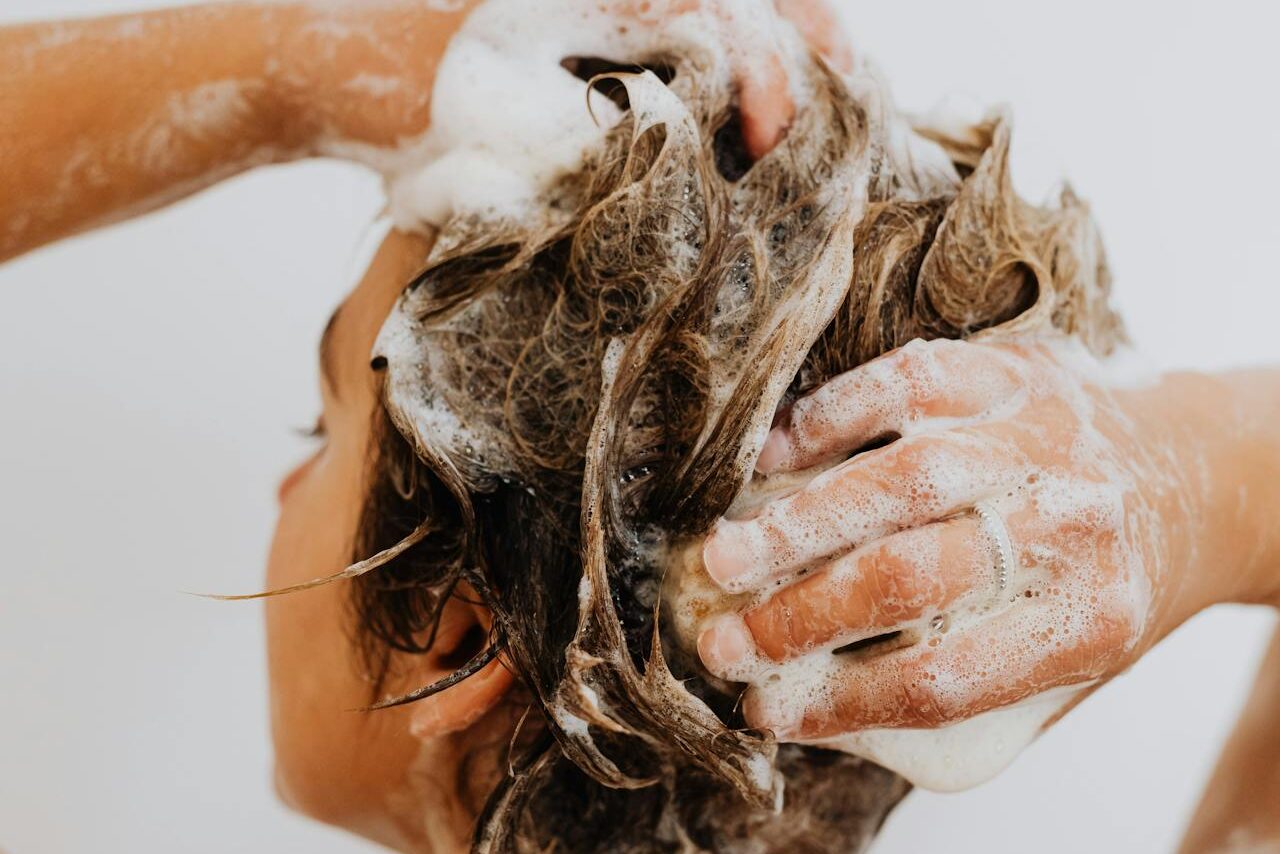
- Use gentle shampoos, avoiding harsh or exfoliative products on the scalp.
- Avoid using heat tools or tight hairstyles for the first few days after PRP.
- Try not to scratch or massage the treated area.
- Maintain healthy hydration and dietary habits to nourish new hair follicles.
- Resume use of products like Minoxidil or Nutrafol in the weeks between your PRP treatments.
By following these instructions after each PRP treatment, you support long, lasting growth.
Maintaining Growth
Your hair restoration near Janesville is not a one-and-done procedure. Healing does not occur overnight; rejuvenated hair growth takes time, as new follicles take root and your shafts elongate. By tailoring your treatment plan based on your scalp’s response to each series of injections, your provider supports lasting results.
Many patients benefit from at least 3 to 6 treatment sessions, each spaced 4 weeks apart, followed by biannual maintenance injections. Often, patients see renewed hair growth within 6 to 8 weeks of concluding their initial series of treatments.
This attentive care supports your body’s natural healing processes, fostering steady, noticeable progress.

Nurture Your Locks—and Your Looks
Changing hair growth patterns can alter the way you look and feel. Though your receding hairline or thinning hair might be the natural consequence of time or genetics, you do not have to accept a reflection that does not reflect you.
With PRP hair restoration near Janesville, our expert medical professionals can gently encourage sustained growth naturally.
By channeling the healing power of your blood platelets into your scalp, we can support healthier follicles and ongoing development that aligns with your aesthetic vision.
Restore Your Tresses With Platelet-Rich Plasma
Feel the wind in your hair again this summer. Embrace a thicker, more voluminous mane with natural hair restoration near Janesville.
Explore other rejuvenating therapies, including microneedling with PRP and targeted skin-tightening treatments.